
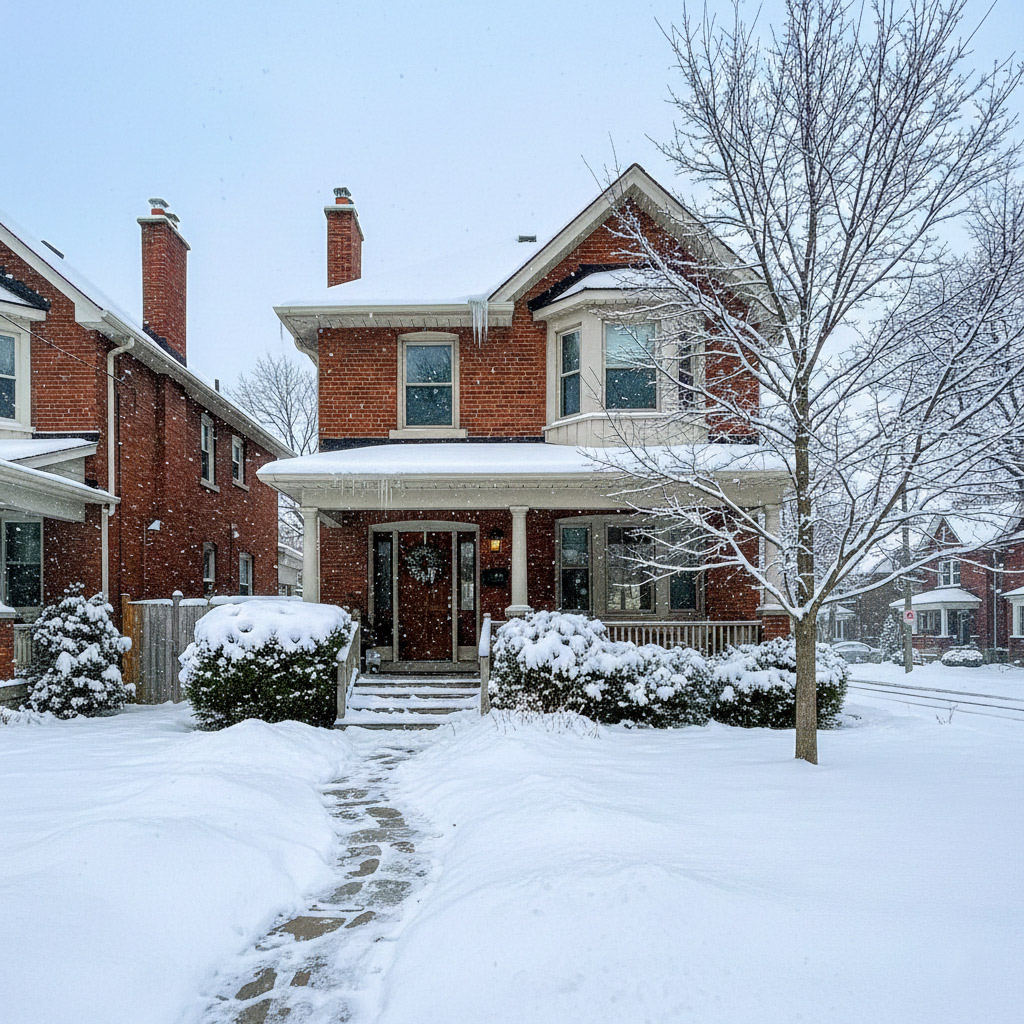
How to Protect Your Toronto Home from Floods and Water Damage

Prepare for flooding, minimize water damage, and recover quickly with these practical steps.

Toronto’s flooding can damage homes, vehicles, and property, and disrupt daily life. Here’s how you can protect your home:

  1. Check Your Flood Risk: Identify if your property is in low-lying areas, near rivers or creeks, or prone to poor drainage.
  2. Prep Your Home & Essentials: Make sure sandbags, waterproof containers, and valuables are ready to move; have flashlights, bottled water, and basic tools accessible.
  3. Protect Key Areas: Clear gutters and drains, move furniture and electronics to higher ground, and install backwater valves or a sump pump if needed.
  4. Stay Informed & Ready to Act: Monitor local flood alerts, watch the weather, and know quick actions to protect your home if water rises.
 
Quick Tips:
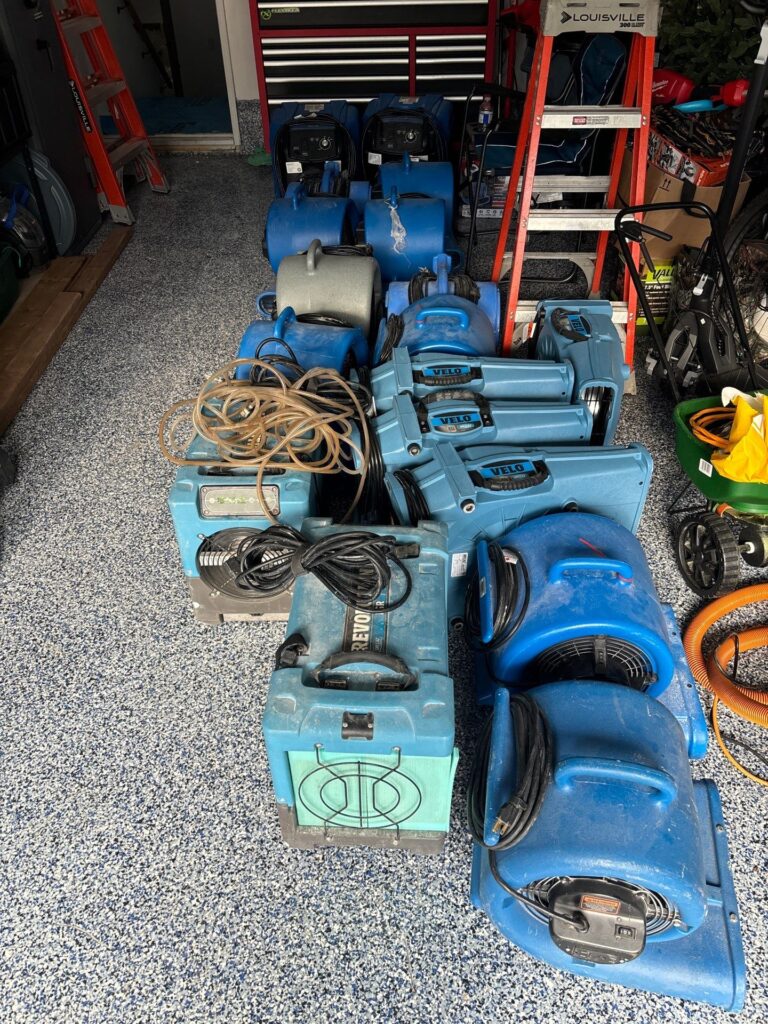
 
  • Check Toronto floodplain maps and historical flood data from TRCA.
  • Keep emergency supplies easy to reach and review them annually.
  • Make sure insurance covers flood damage.
  • Acting early can save thousands in repairs and keep your family safe.

How to Protect Your Home from Flooding

Step 1. Identify Areas at Risk

Protecting your home from flooding starts with understanding Toronto’s weather. Spring thaws, heavy rains, and urban drainage issues can quickly cause water damage, so taking early action is essential to keep your property and family safe.

Areas Likely to Flood

Know which Toronto areas flood most to protect your home effectively.

  • Low-lying neighborhoods: Near Don River, Humber River, and Mimico Creek.
  • Poor drainage zones: Streets or areas with blocked storm drains.
  • Seasonal risk areas: Prone to spring snowmelt or heavy rains.

Focus on these areas to take targeted flood-prevention steps early.

Recommended Protection Measures

Use these recommended protection measures to safeguard key areas of your home and reduce flood damage.  
Measure Ideal Use Notes
Sandbags Basement doors, low exterior walls Place before heavy rain or snowmelt
Water barriers Entrances and low windows Reusable, quick setup
Sump pump Basements prone to water accumulation Battery backup recommended
Backwater valves Sewer connections Prevent sewage backup
 

Steps to Protect Your Property

  1. Clear drains and gutters: Ensure all debris is removed so water can flow away from your home.

  2. Move valuables and electronics: Place important items on higher floors or shelves to prevent water damage.

  3. Place sandbags or barriers: Set them at doors, basement windows, and other vulnerable entry points.

  4. Test sump pumps and backwater valves: Make sure they are fully functional and consider installing a battery backup.

  5. Seal gaps around doors and windows: Use caulk or weatherproofing to prevent water seepage into your home.

After completing these steps, check for gaps or weak spots around your home. Inspect sandbags, barriers, and sump pumps to ensure they’re working properly.

If unsure about any step, consider hiring a professional to avoid costly mistakes.

Stay alert during heavy rains or spring thaws and monitor Toronto’s flood alerts to protect your home.

Step 2: Keep Your Home Dry

Maintain Proper Indoor Conditions

Keeping your home dry and organized helps reduce flood damage and prevents mold growth after water exposure. Ensure proper airflow, remove excess moisture, and keep critical areas like basements and ground floors ready for sudden water events.


AreaRecommended SettingNotes
Living AreasKeep floors dry and furniture elevatedMove electronics and valuables off the ground
BasementUse a dehumidifier if prone to dampnessHelps prevent mold and structural damage


Check these areas regularly and take quick action to keep floors dry, prevent water buildup, and reduce flood damage.

Practical Tips to Stay Dry

  • Move Valuables & Electronics: Place items on higher shelves or floors.
  • Check for Damp Spots: Basements and low-lying areas can hold water—use a moisture meter if needed.
  • Seal Drafts & Gaps: Weatherstrip doors and windows to prevent water seepage.

Extra Measures


Consider installing water sensors in basements or other vulnerable areas. These can alert you early to rising water or leaks before serious damage occurs.

Even with indoor precautions, always ensure outdoor drainage is functional, gutters are clear, and flood barriers like sandbags are ready for heavy rains or spring thaws.

Want peace of mind during Toronto’s flood season? Our professional flood prevention and water damage restoration services can help protect your home. Contact us today to prepare your property before the next storm.

Your Trusted Toronto Flood Restoration & Emergency Recovery Services

Get fast, licensed, and insured water damage restoration services for emergencies. Trust Flood Rescue for transparent pricing and expert services across the GTA.

Step 3: Protect Your Exterior

Toronto’s heavy rains and rapid snowmelt often overwhelm outdoor drainage, making exterior protection a critical line of defense. Taking the right steps before temperatures drop can save you from costly repairs.

Improve Exterior Drainage

Managing the flow of water around your home reduces the risk of seepage, pooling, and basement flooding. Start by confirming that all exterior pathways direct water away from the foundation, not toward it.

Regularly assess your yard’s grading and correct any areas where water collects. Even minor depressions can lead to pooling that gradually penetrates basement walls. Consider adding soil to low spots or hiring a professional to regrade if needed.

Key Outdoor Protections

These measures help you control water movement and reinforce vulnerable areas around your home:

  • Clear Gutters & Downspouts: Remove debris so water drains efficiently away from your foundation.

  • Extend Downspouts: Direct water at least 6 feet from your home to prevent seepage.

  • Protect Basement Windows: Install window well covers or barriers to keep out heavy rainfall.

  • Check Driveway & Walkway Slopes: Make sure surfaces slope away from your house, not toward it.

Adding these outdoor protections prevents unnecessary strain on your foundation and drainage systems.

“Your home’s first defense against flooding starts outside long before water reaches the walls.”

With outdoor systems reinforced, you’re ready to move into the final step: active monitoring and emergency readiness.

Step 4: Maintain Flood Systems

Keeping your home’s drainage and plumbing systems in reliable working order is essential for preventing flood damage. Small issues can escalate quickly in Toronto’s heavy rain seasons, so ongoing maintenance ensures your home stays protected.

Inspect Key Flood-Prevention Equipment

Regular checks help you spot problems early and avoid unexpected failures. Review each item to confirm it’s operating the way it should.

  • Test Your Sump Pump: Run a quick test by pouring water into the pit and confirming it activates properly.
  • Confirm Battery Backup: Ensure backup systems are charged and ready for power outages.
  • Inspect Backwater Valve: Look for debris, buildup, or partial blockages that may prevent proper closing.
  • Clear Exterior Drains: Remove leaves and debris from window wells, stair drains, and surface grates.

A few minutes of inspection can save you from hours of cleanup and costly repairs.

If any component appears damaged or unreliable, address it immediately before rainfall or snowmelt arrives.

Review Your Home’s Flood Readiness

A quick self-assessment helps you stay proactive rather than reactive.


ItemWhat to CheckWhy It Matters
Basement DrainsClear of debrisPrevents pooling and backups
DownspoutsDirecting water at least 6 ft awayReduces foundation pressure
GradingSoil sloping away from homeKeeps water from entering basement walls
Window WellsClean and coveredBlocks rainwater overflow


Avoid leaving gutters clogged or flood barriers untested, as this can increase the risk of water entering your home..

When to Call a Specialist

Some warning signs require immediate professional attention to avoid severe water damage.

  • Sump pump failing to activate or cycling irregularly
  • Backwater valve making unusual noises or not closing fully
  • Persistent dampness or recurring puddles around basement floors
  • Strong sewer smells after rainfall

“Acting early prevents small issues from becoming major flood emergencies.”

For emergencies, Flood Rescue in Toronto provides 24/7 water damage and flood response services. Our certified technicians can quickly assess your property and take action to minimize damage and prevent further flooding.

Conclusion: Toronto Flood Preparedness Checklist

Key Points to Keep in Mind

Protecting your home from flooding in Toronto starts with proactive preparation. Here’s a quick checklist to guide you:

Area What to Do How to Monitor
Indoor Protection Move valuables to higher floors, check for damp spots Inspect regularly, especially before heavy rains
Outdoor Barriers Clear gutters, maintain drains, set up sandbags or barriers Inspect weekly during spring thaw or storms
Flood Systems Test sump pumps, backwater valves, and alarms Ensure all systems are functional and maintained
Emergency Prep Keep flood emergency kit ready Review and update annually

Inspect these areas often, and act quickly if you notice issues. Addressing small problems early can prevent costly water damage.

When to Call the Pros

Sometimes DIY measures aren’t enough. Flood Rescue’s certified technicians in Toronto provide expert water damage restoration and flood response. Professional support ensures your home recovers quickly and future flooding risks are minimized.

"Regular maintenance and timely preparation are crucial for preventing flood damage. Taking proactive steps can save homeowners thousands in repairs and stress during heavy rains or spring thaws."

Service Areas